
A Complete View of Product Authenticity
Gain greater clarity into your products. Our NMR, qPCR and viability PCR technologies deliver a deeper understanding of what's inside, while confirming identity and purity and ensuring consistency over time.
One Technology. Multiple Layers of Insight.
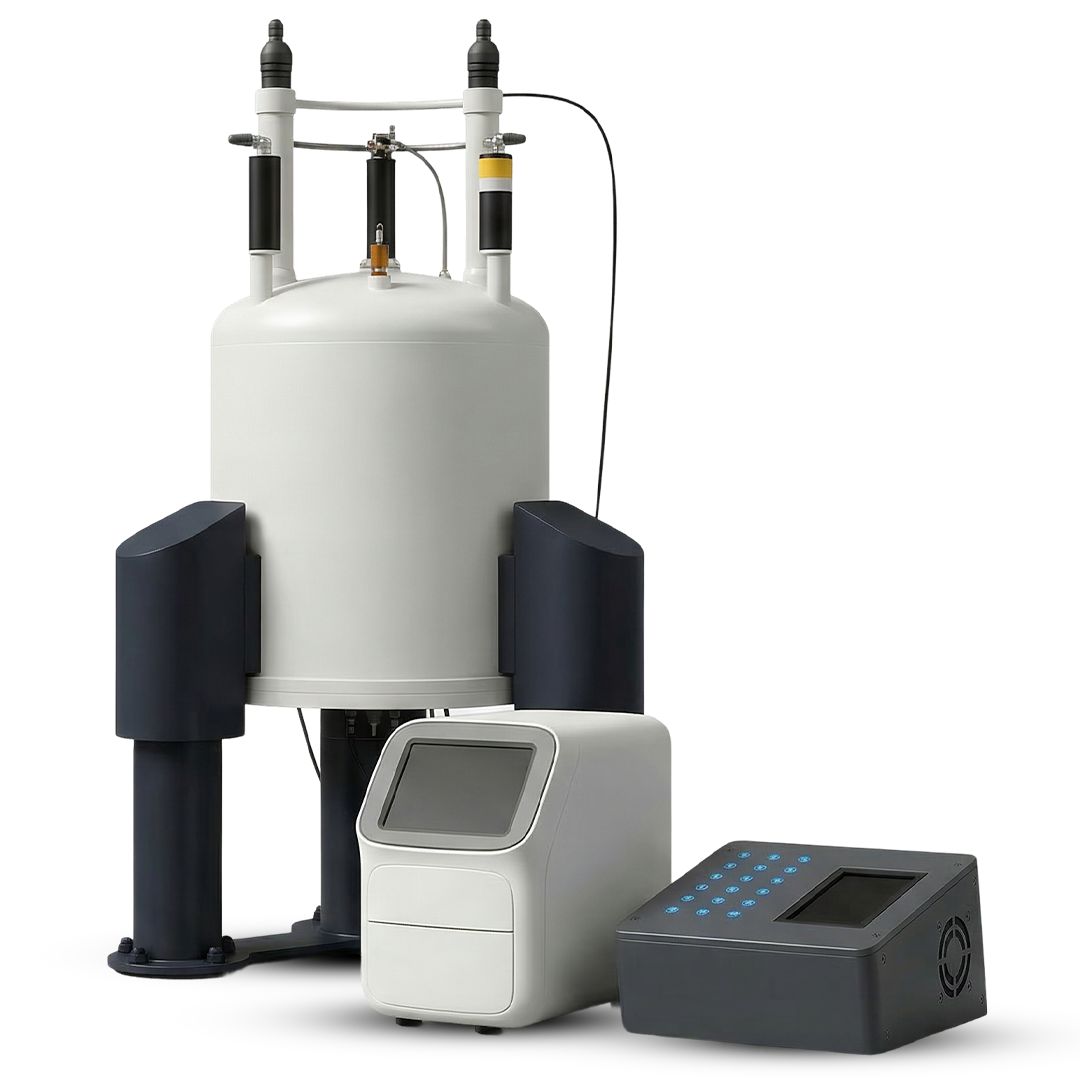
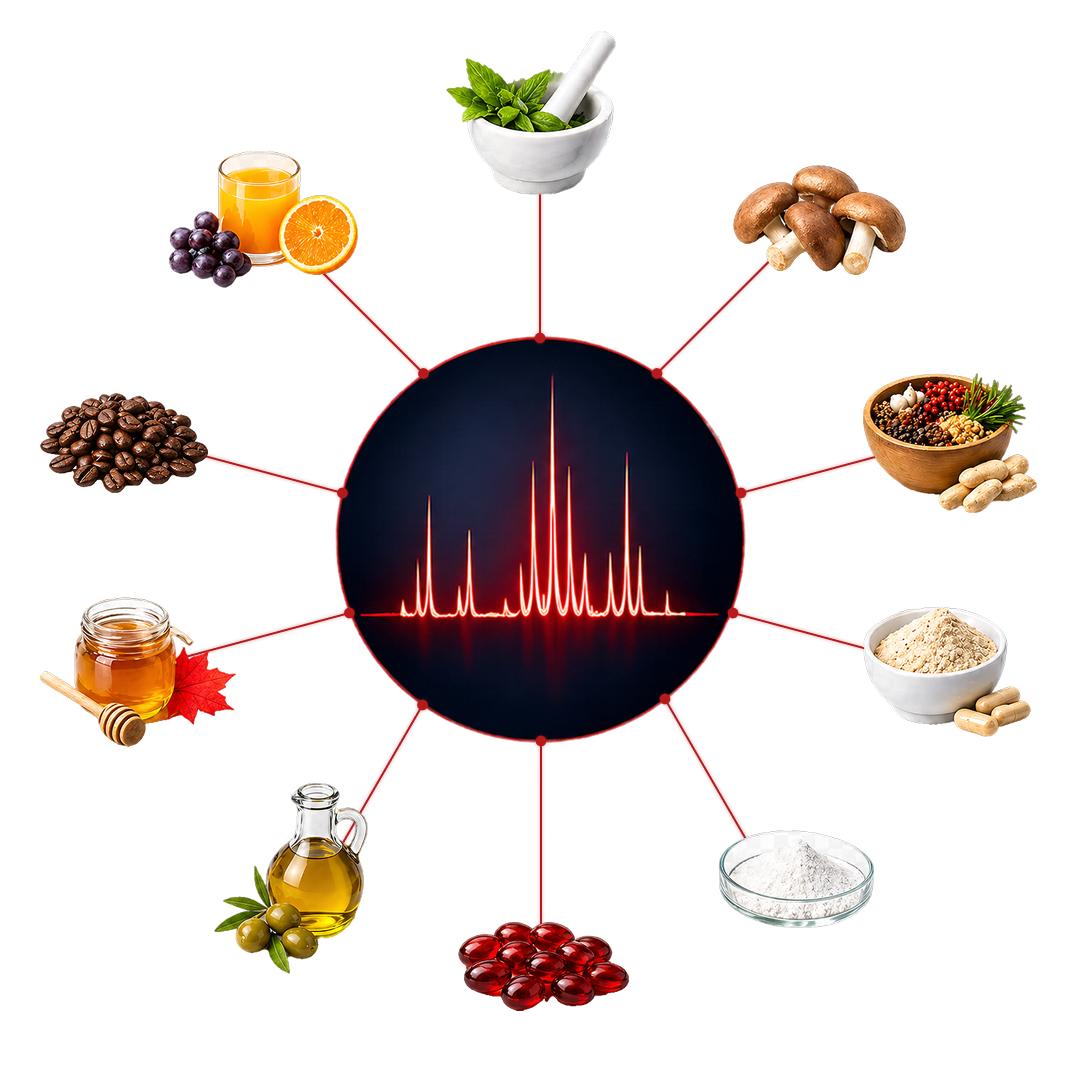
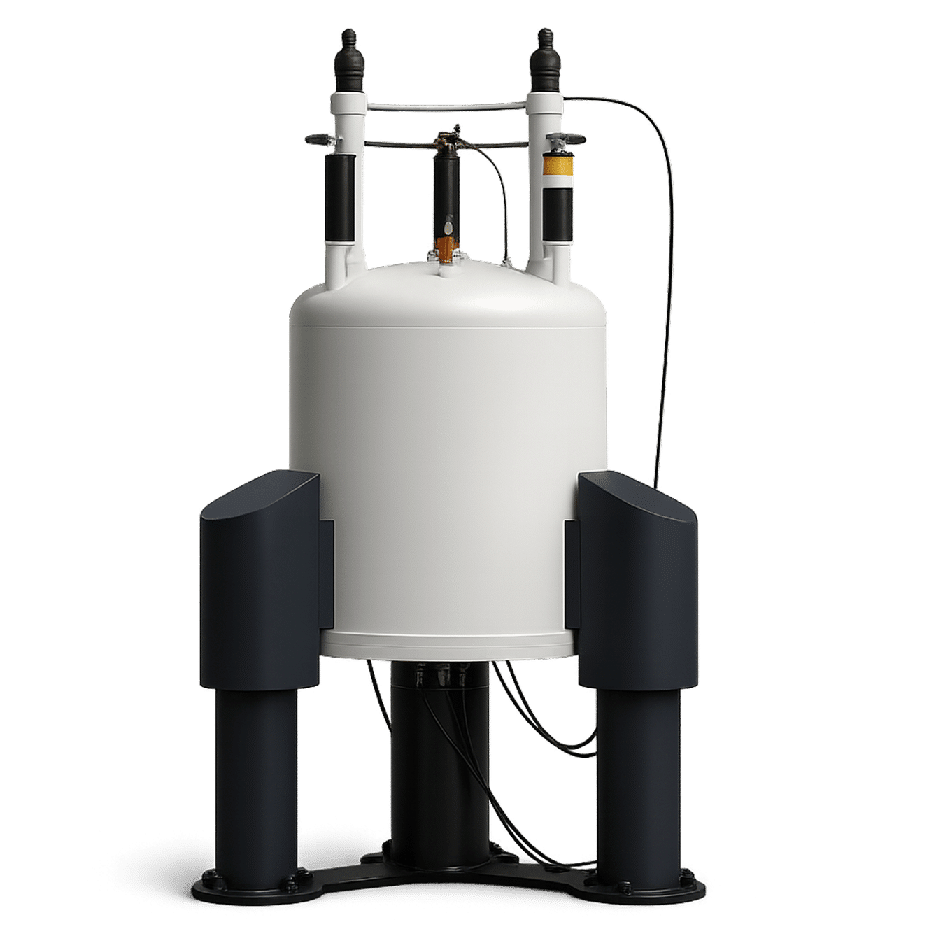
Nuclear Magnetic Resonance (NMR) spectroscopy combines non-targeted screening, targeted verification, and quantitative analysis in a single test. By delivering both qualitative and quantitative insight in one analysis, NMR provides a comprehensive view of product composition, ingredient quality, formulation integrity, and overall authenticity across complex global supply chains.
Authenticate herbs and spices and help protect against lower-value substitution.
Characterize functional mushroom species and product type while supporting authentic claims and product integrity.
Verify identity, purity, and key compositional markers of bioactive compounds.
Evaluate identity and purity of mineral chelates such as magnesium bisglycinate.
Determine juice origin and concentrate type while helping protect against dilution, substitution, or undeclared sweeteners.
Distinguish coffee arabica versus robusta content and identify undeclared fillers, substitutes, or unusual compositional patterns.
Confirm authenticity of honey and maple syrups while helping safeguard against the addition of lower-cost syrups and sugars.
Protect edible oil authenticity by screening for lower-cost substitute oils.
Quantify phospholipid composition of krill oil, support label claims, and distinguish authentic products.
Confirm botanical identity, plant part, and compositional integrity in single-species and multi-species blended products, with the ability to uncover undeclared fillers, carriers, dilution, or species substitution.
Detect Adulteration
Identify unexpected compounds and verify that your product matches what it claims to be.
Ensure Batch Consistency
Compare batches to confirm consistency and maintain product quality over time.
Reveal Fillers and Dilution
Uncover hidden fillers and dilution that affect product quality and label claims.
See the Full Chemical Profile
Capture a complete view of your product in a single test with no blind spots.
Why Strain-Level Specificity Matters
Health benefits are linked to specific biotic strains, not just species. Strain-level identification confirms the presence of declared strains and distinguishes between multiple strains within the same species in blended formulations.
Strain-level specificity confirms the exact biotic (pro-, post-, next generation) strain listed on the product label.
Applicable to single-strain and multi-strain formulations, including complex blended finished products.
Reliable across diverse product formats, including powders, capsules, liquids, gummies, yogurts, and functional foods.
Supports label claim verification by confirming the presence of declared strains in the finished product matrix.


Beyond Identification. Quantification at the Strain Level
Understand exactly what’s in your product and how it performs over time.
An extension of our strain-level identification assays, validated for accurate quantitative measurement of microbial cells.
Differentiates total viable, total non-viable, and total cells, providing deeper insight into biotic product composition.
Strain-level quantification within complex blends, enabling measurement of individual strains even in multi-strain finished products.
Tracks stability across shelf life, providing visibility into how each strain performs from production through expiry.
Compatible with diverse product formats, including powders, capsules, liquids, gummies, yogurts, and functional foods.
Explore Our Resource Library
Access application notes, posters, and webinars that show how NMR technology delivers clarity, authenticity, and innovation.


Prove Your Authenticity Today
Empower your brand with trusted verification and peace of mind in every ingredient.

Frequently Asked Questions
Discover answers to your questions about our technology.
Purity-IQ uses Nuclear Magnetic Resonance (NMR), quantitative PCR (qPCR), and viability PCR to verify ingredient authenticity, microbial identity, and cell viability. Each technology answers a different verification question. NMR confirms chemical composition and detects adulteration, qPCR identifies specific probiotic strains, and viability PCR determines whether those microorganisms are alive in the final product.
Nuclear Magnetic Resonance (NMR) is an analytical technology that reveals the full chemical composition of a product at the molecular level. This allows scientists to confirm ingredient identity, detect unexpected substances, and identify adulteration or dilution. NMR provides a detailed fingerprint of a product, helping ensure authenticity and batch-to-batch consistency.
NMR analyzes the entire molecular profile of a product rather than targeting a single compound. Because every authentic ingredient has a unique chemical fingerprint, unexpected substances, fillers, or substitutions can be quickly identified. This makes NMR a powerful tool for detecting dilution, adulteration, or formulation inconsistencies that may not appear in traditional targeted tests.
Quantitative Polymerase Chain Reaction (qPCR) is a DNA-based method used to identify and quantify specific microorganisms in a product. By targeting unique genetic sequences, qPCR can verify the presence of specific probiotic strains, even in complex multi-strain blends or finished products such as capsules, gummies, beverages, or powders.
Viability PCR is a specialized form of PCR that distinguishes live microorganisms from dead cells. This allows manufacturers to confirm whether the microbes listed on a product label are actually viable in the finished formulation. The method helps support accurate labeling, regulatory documentation, and product stability claims.